
Beyond Passwords: A Deeper Dive into Access Governance
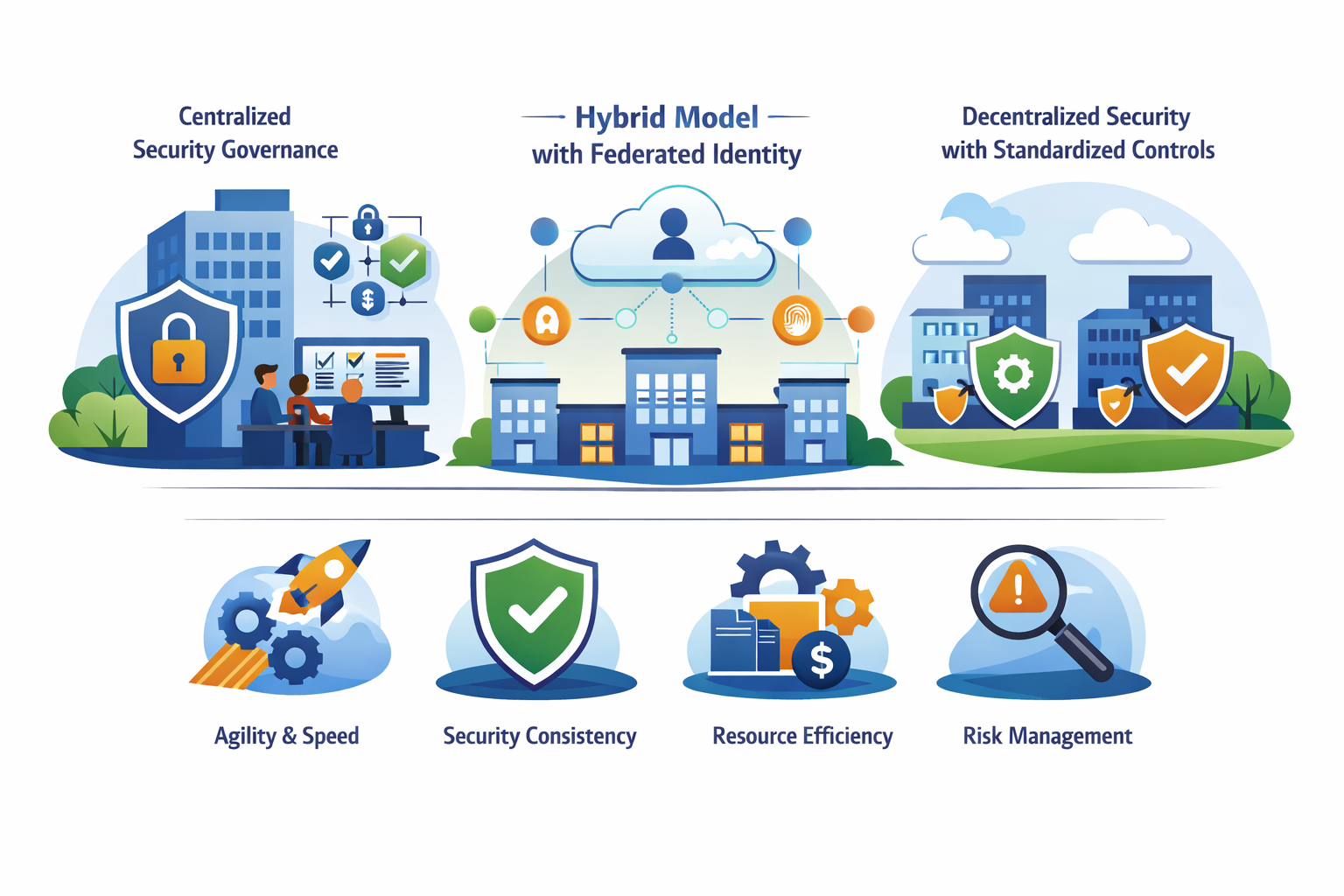
Approaches to Access Governance
- Role-Based Access Control (RBAC): Streamlines access by assigning permissions via roles. Users inherit access rights from their assigned roles, simplifying administration in structured environments and enhancing compliance through clear policy definition. DirectiveDesk leverages RBAC for foundational access management.
- Attribute-Based Access Control (ABAC): Provides granular, dynamic access control based on user, resource, and environmental attributes. Offers exceptional flexibility for complex, context-sensitive decisions, adapting to evolving security landscapes.
- Privileged Access Management (PAM): Secures and manages privileged accounts with elevated permissions to critical systems. It minimizes the attack surface for high-impact accounts, ensuring robust oversight and auditability for sensitive operations.
Key Evaluation Criteria
- Scalability: Assess how effectively the method handles growth in users, resources, and policies without significant operational overhead or performance degradation.
- Granularity of Control: Examine the level of detail and precision with which access permissions can be defined and enforced for specific resources or actions.
- Operational Complexity: Evaluate the effort required for implementation, ongoing management, and policy enforcement, including administrative burden and technical skill needs.
- Security Posture Enhancement: Determine the degree to which the method strengthens overall security, reducing unauthorized access risks and improving compliance adherence.
Comparative Analysis of Access Governance Methods
RBAC excels in scalability for organizations with well-defined departmental structures. Managing roles is generally more efficient than individual permissions as user bases expand. However, its granularity of control can be limited. While effective for broad access categories, defining highly specific access based on dynamic conditions often requires a proliferation of roles, which can become unwieldy and complex to manage effectively.
Implementing RBAC introduces moderate operational complexity initially, primarily in defining and mapping roles to permissions. Once established, ongoing management is relatively straightforward for routine changes. From a security posture perspective, RBAC significantly enhances control by enforcing the principle of least privilege through structured roles, reducing the risk of unauthorized access to resources and data.
ABAC offers superior granularity of control, allowing for highly dynamic and context-aware access decisions based on multiple attributes. This flexibility is unmatched when dealing with complex access scenarios. Its scalability can be excellent for large, diverse environments, as policies are attribute-based rather than role-based, preventing role explosion. However, managing numerous attributes and complex policy rules requires robust tooling.
The operational complexity of ABAC is inherently higher due to the need to define, manage, and evaluate numerous attributes and intricate policy sets. Initial setup and ongoing maintenance demand specialized expertise and sophisticated policy engines. Nevertheless, its contribution to security posture enhancement is substantial, enabling real-time, adaptive access enforcement that can respond to evolving threats and compliance requirements more effectively.
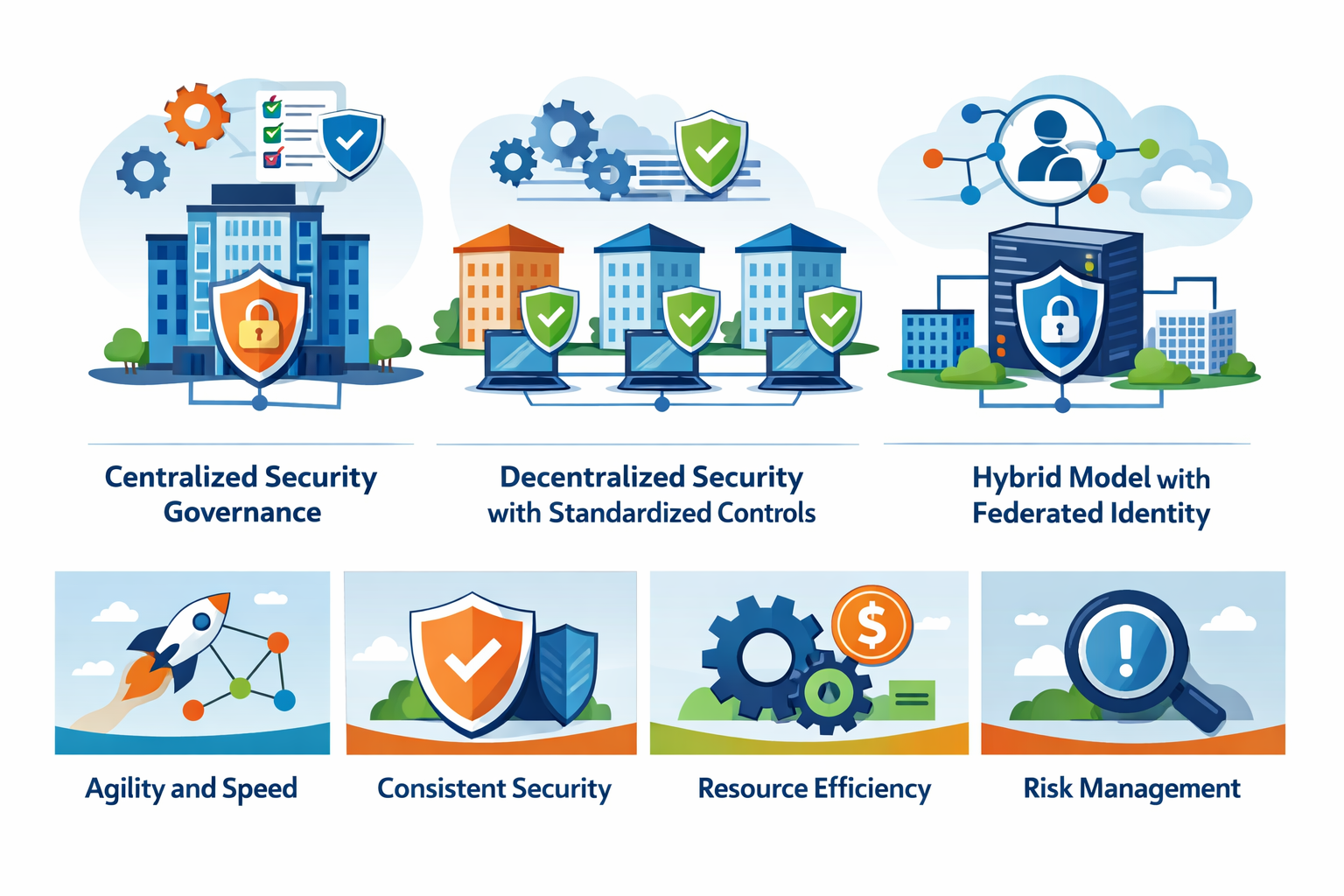
PAM addresses a distinct segment of access governance, focusing on critical privileged accounts. Its granularity of control is high for these specific accounts, ensuring strict oversight over administrative functions. Scalability involves managing a defined set of high-impact accounts, which is different from user scaling. Operational complexity is significant due to the specialized tools and processes required for session management, credential vaulting, and auditing. The security posture enhancement from PAM is paramount, drastically reducing the risk of insider threats and external attacks leveraging privileged credentials.
Recommendations for Implementation
For organizations with stable, well-defined departmental structures and relatively consistent access needs, RBAC is often the most practical starting point. It provides a solid foundation for least privilege principles, balancing security with manageable administrative overhead. It's ideal where broad access categories suffice and dynamic, context-specific access is not a primary requirement.
Organizations facing highly dynamic access requirements, complex compliance mandates, or a need for fine-grained, context-aware control should consider ABAC. While demanding greater initial investment in policy definition and tooling, ABAC offers unparalleled flexibility to adapt to evolving business processes and security landscapes, providing a more agile and robust access framework.
Regardless of the chosen general access control model, PAM is indispensable for any organization with critical IT infrastructure. It specifically mitigates the severe risks associated with privileged accounts, which are prime targets for attackers. Implementing PAM ensures robust protection, monitoring, and auditing for the most sensitive access, forming a crucial layer of defense.
Often, the most effective strategy involves a hybrid approach. RBAC can manage routine user access, while ABAC handles exceptions and complex, dynamic scenarios. PAM then overlays these with specialized controls for administrative access, creating a comprehensive and resilient access governance framework tailored to specific organizational needs.