
Your Blueprint for Consistent Security Procedures & Checklists
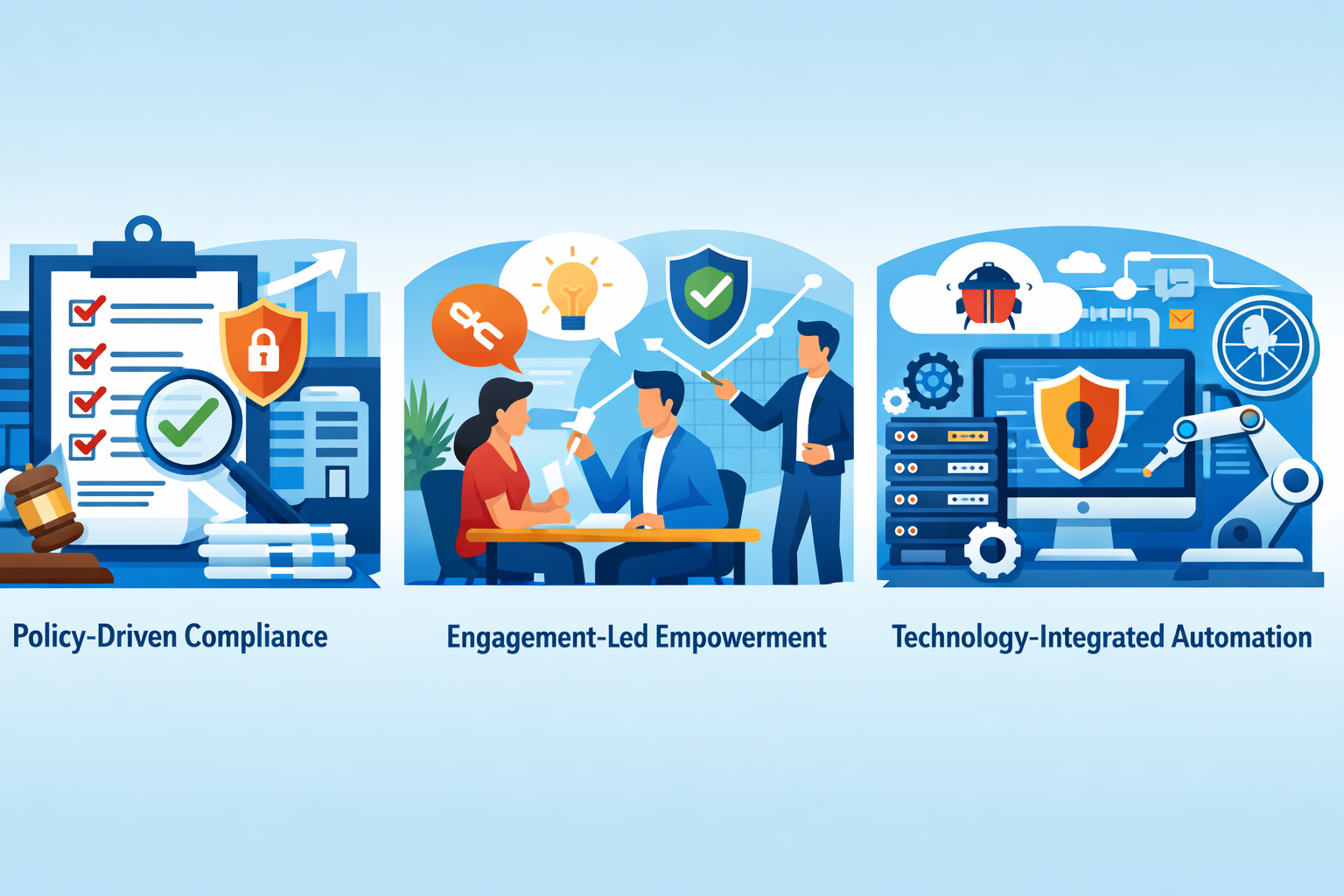
Approaches to Consistent Security Procedures & Checklists
- Manual Documentation Systems: Relying on traditional documents, spreadsheets, and shared drives for creating, storing, and distributing security procedures. Requires diligent human oversight for consistency and version control.
- Dedicated Software Solutions: Utilizing specialized platforms designed for process management, compliance, and checklist automation. Offers centralized control, robust versioning, and streamlined distribution.
- Hybrid Implementation Models: Combining elements of both manual and automated systems. Often uses software for core management, while allowing less critical procedures to remain document-based.
Key Evaluation Criteria for Your Security Framework
- Scalability & Adaptability: Assess how easily the system can grow with organizational needs and adapt to evolving security threats or regulatory changes.
- Ease of Maintenance & Updates: Consider the effort required to keep procedures current, distribute changes, and ensure all personnel are using the latest versions.
- Auditability & Compliance Tracking: Evaluate the system's ability to provide clear records of procedure adherence, revision history, and readiness for external audits.
- User Adoption & Accessibility: Examine how intuitive the system is for end-users, ensuring easy access to relevant procedures and minimal training requirements.
Comparative Analysis of Security Procedure Methodologies
Manual systems, though simple initially, quickly struggle with scalability. Expanding procedures across departments or locations leads to inconsistencies. Maintaining and updating documents demands significant administrative effort. Distributing revised versions reliably and confirming adoption is labor-intensive, prone to human error and outdated information.
For auditability, manual systems rely on physical sign-offs or email, difficult to consolidate. Proving consistent adherence is complex and time-consuming. User adoption can be inconsistent; employees may struggle to locate the correct version, leading to frustration and potential non-compliance due to accessibility.
Dedicated software solutions excel in scalability, effortlessly accommodating growth. Adding new procedures or expanding user access is straightforward. Maintenance and updates are highly efficient; changes propagate instantly to all users. Automated version control ensures current protocols, significantly reducing administrative burden.
These platforms offer superior auditability, providing detailed logs of access, revisions, and completion status. This robust tracking simplifies compliance and streamlines external audits, offering irrefutable evidence of adherence. User adoption is higher due to intuitive interfaces and easy access via dedicated portals. DirectiveDesk focuses on user-centric design.
Hybrid models offer a balanced approach. Critical procedures are managed via software, leveraging its scalability and efficient updates. Less sensitive guidelines might remain manual, allowing quicker, localized adjustments. This flexibility benefits diverse operational needs, though clear demarcation is needed to prevent overlap and confusion.
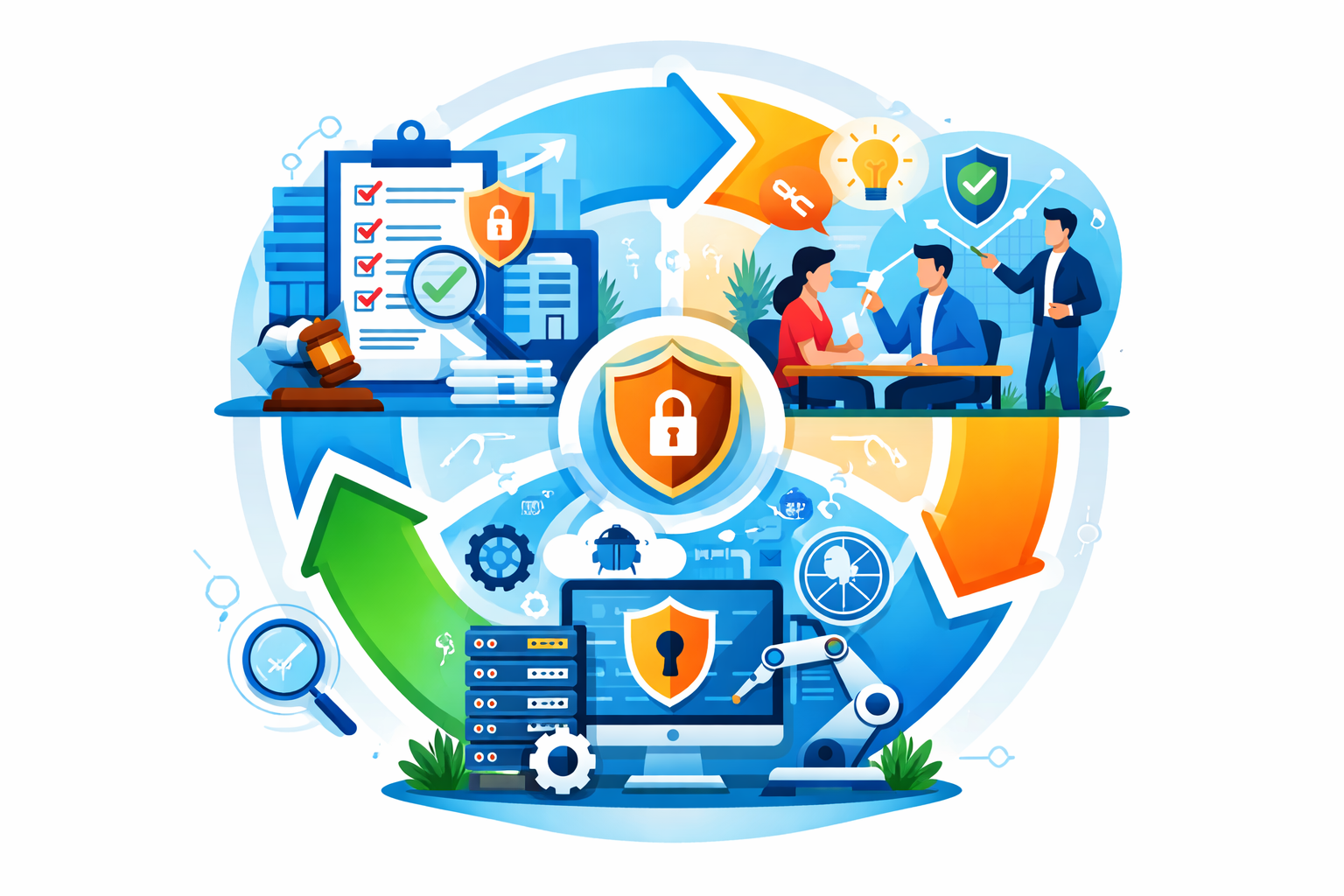
Regarding auditability, software components provide strong evidence, while manual parts still require traditional verification, potentially fragmenting audit preparation. User adoption for software elements benefits from automation, but for manual procedures, it depends on traditional communication. Ensuring seamless integration and clear guidance is crucial.
Strategic Recommendations for Procedure Implementation
For organizations prioritizing robust compliance, high scalability, and minimal administrative overhead, dedicated software solutions are ideal. They provide unparalleled control, real-time insights into procedure adherence, and streamlined audit processes. Businesses with complex regulatory requirements will find DirectiveDesk's comprehensive platforms valuable.
Hybrid models suit organizations with varying procedure criticality or those transitioning from manual systems. This approach leverages software for critical security protocols, maintaining flexibility for less formal internal guidelines. DirectiveDesk solutions can integrate seamlessly into such a hybrid framework, balancing automation with existing practices.
Manual systems might suit very small organizations with extremely limited resources and simple, static security needs. However, inherent risks of inconsistency, difficult auditability, and labor-intensive updates often outweigh initial savings. As an organization grows, manual process limitations quickly become apparent, necessitating an upgrade.
Ultimately, the optimal choice depends on your organization's specific scale, regulatory environment, and resource availability. Evaluating each method against scalability, maintenance, auditability, and user adoption will guide you to the most effective solution for ensuring consistent security procedures and checklists.
Comments 4


Joan Martinez
Thank you for your feedback! We aim to provide actionable insights for informed decision-making in security management.

Shirley Patel
I appreciate the detailed breakdown of hybrid models. It's a realistic approach for many companies, though I wonder about the effort required to maintain clear distinctions between manual and automated procedures in practice.

Benjamin Owens
That's a valid point. Effective implementation of hybrid models indeed requires clear guidelines and consistent communication to ensure seamless operation and avoid confusion.

Orlando Patterson
This article provides a clear, concise overview of security procedure management. The comparison points are very helpful for strategic planning. It really highlights the importance of choosing the right system for long-term consistency.